

CAPTURE01
The inquiry
One customer record.
Where Discipline Meets Digital Transformation.
Book a System ReviewDigital systems for real operations
We build digital ecosystems, CRM and ERP platforms, websites, software, and automations that turn scattered work into clear, scalable operations.
One operating partner.
The systems playground
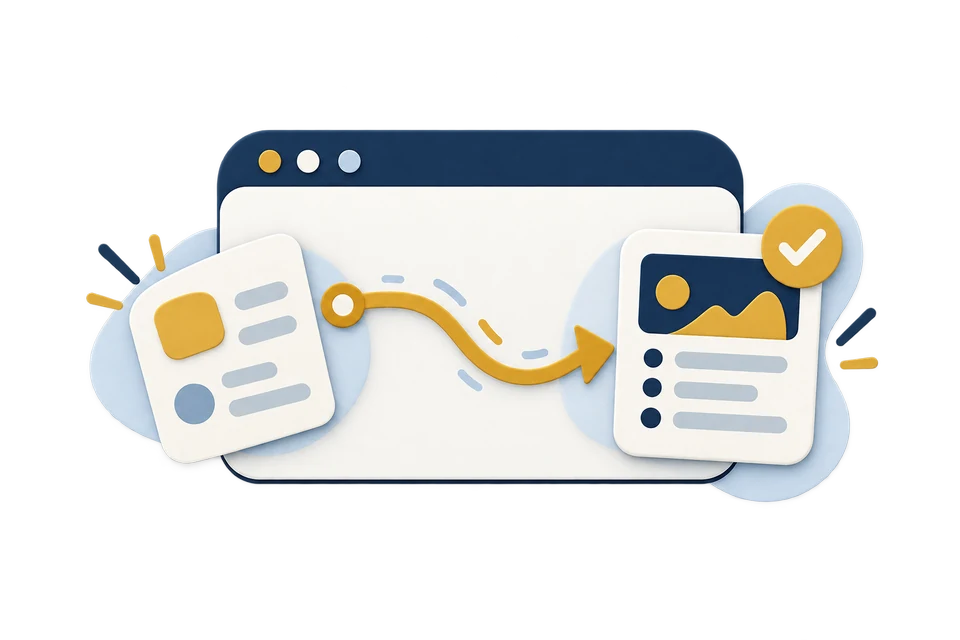
Watch loose ends become a working system. Then put it to work.
A customer needs a proposal.
One customer record.
Assigned to the sales team.
A proposal task with a due date.
Status visible in one pipeline.
Sample request: A customer needs a proposal.
A simplified demonstration of workflow behavior—not a live integration or a promise of results.
Open the full playgroundCapable people lose time copying data, chasing approvals, and remembering what disconnected tools should have handled.
 THE MANUAL LOOPThe work moves only when someone remembers.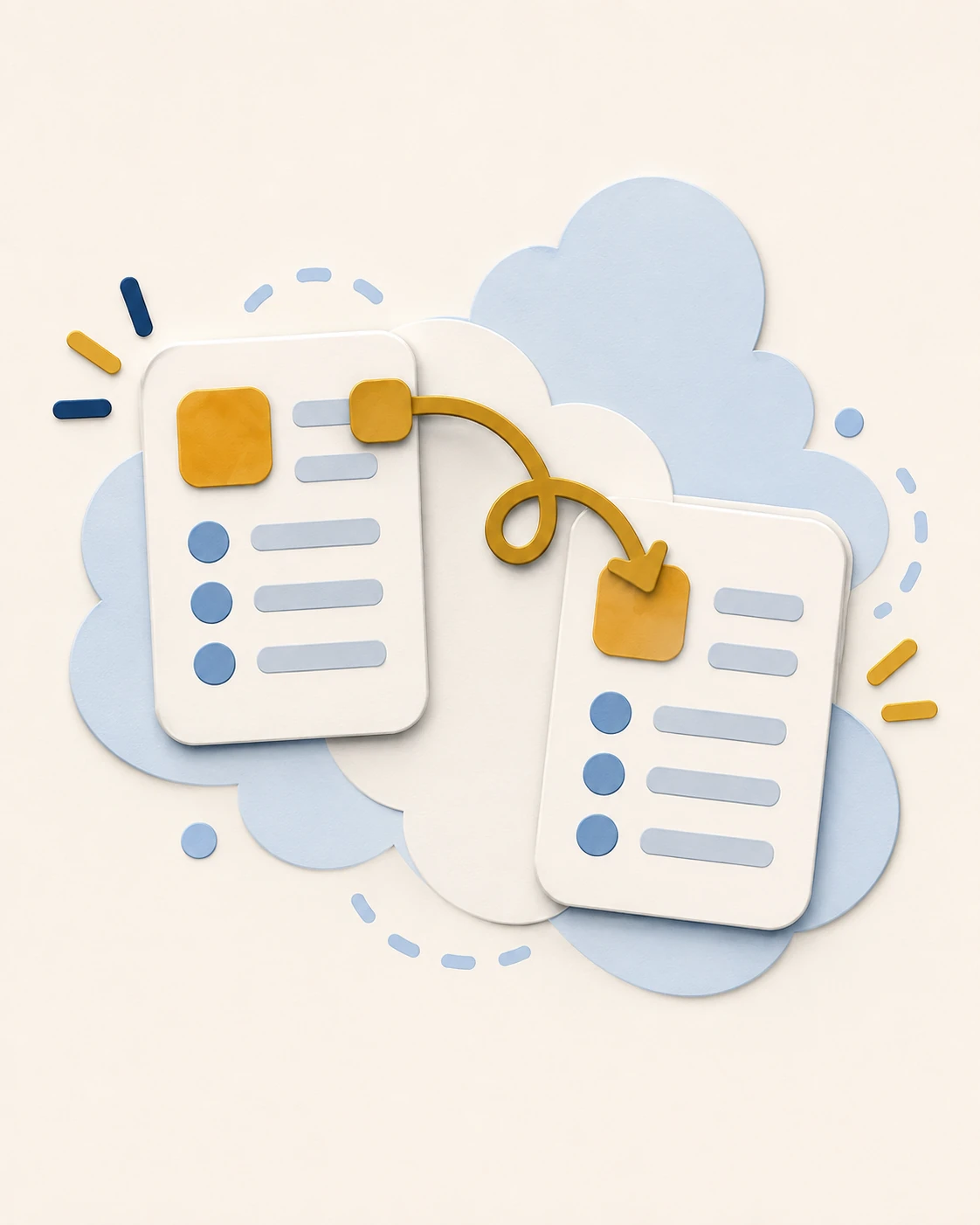
The same details are entered again in another tool.
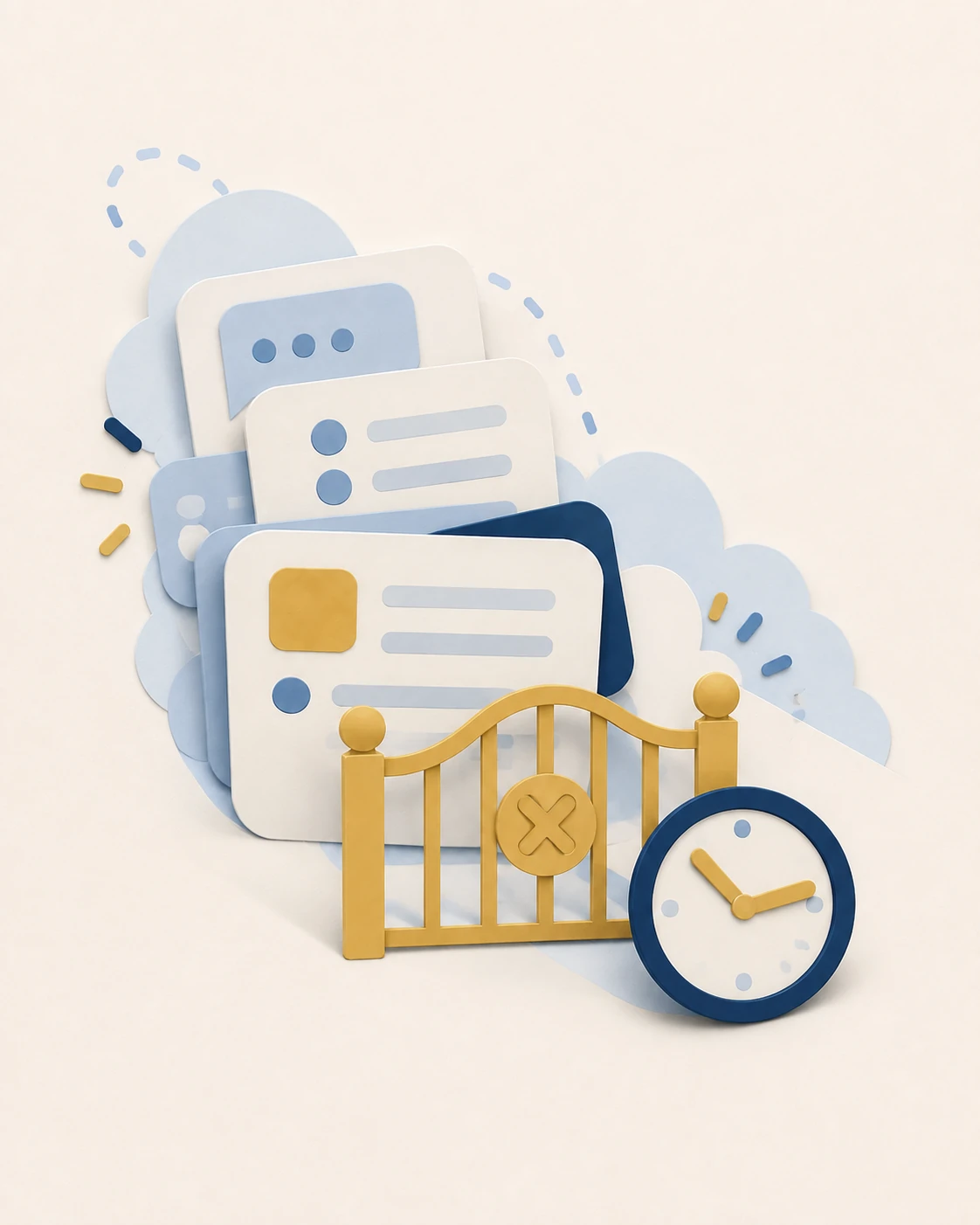
Approvals wait inside inboxes and private messages.
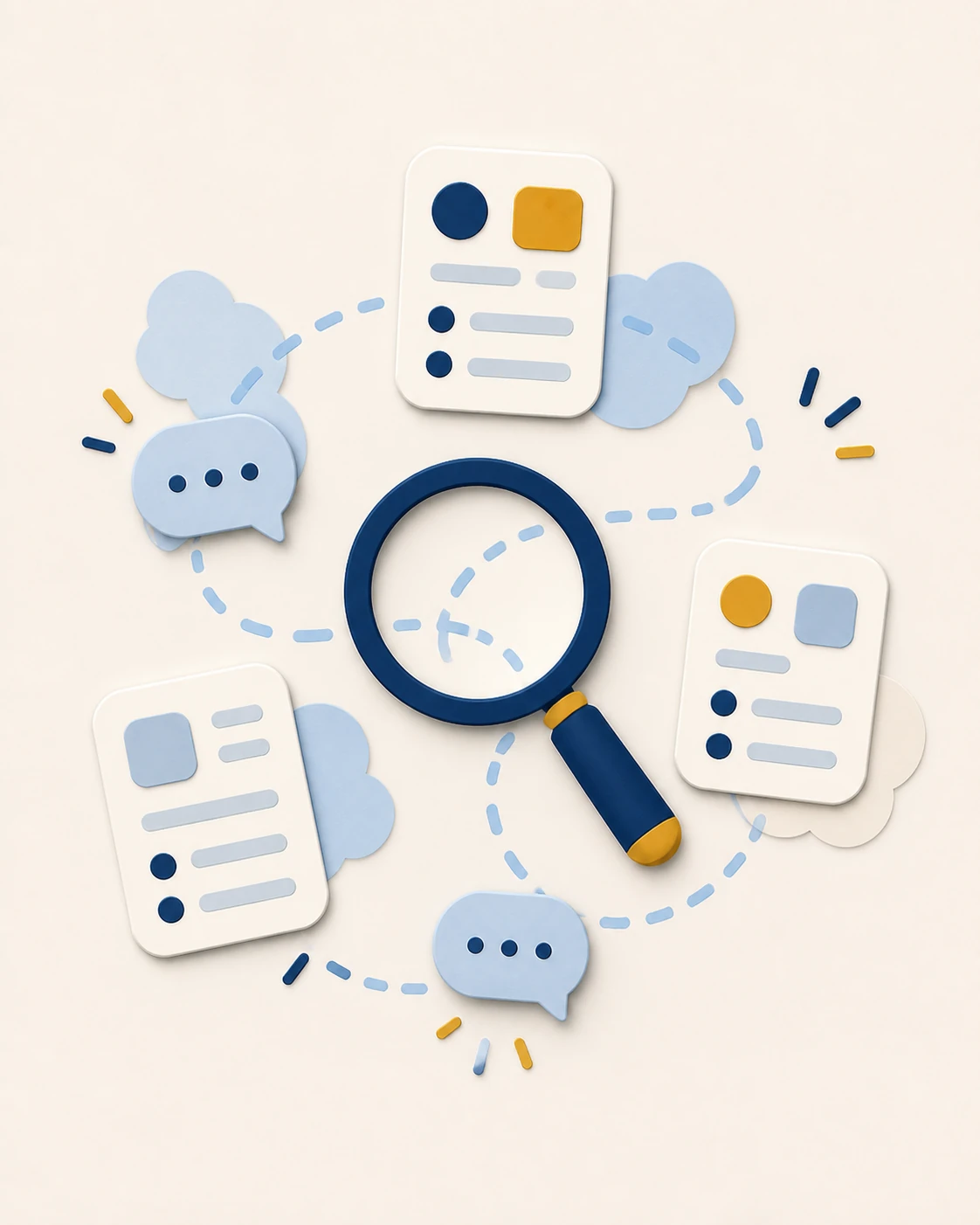
Status depends on asking the right person at the right time.
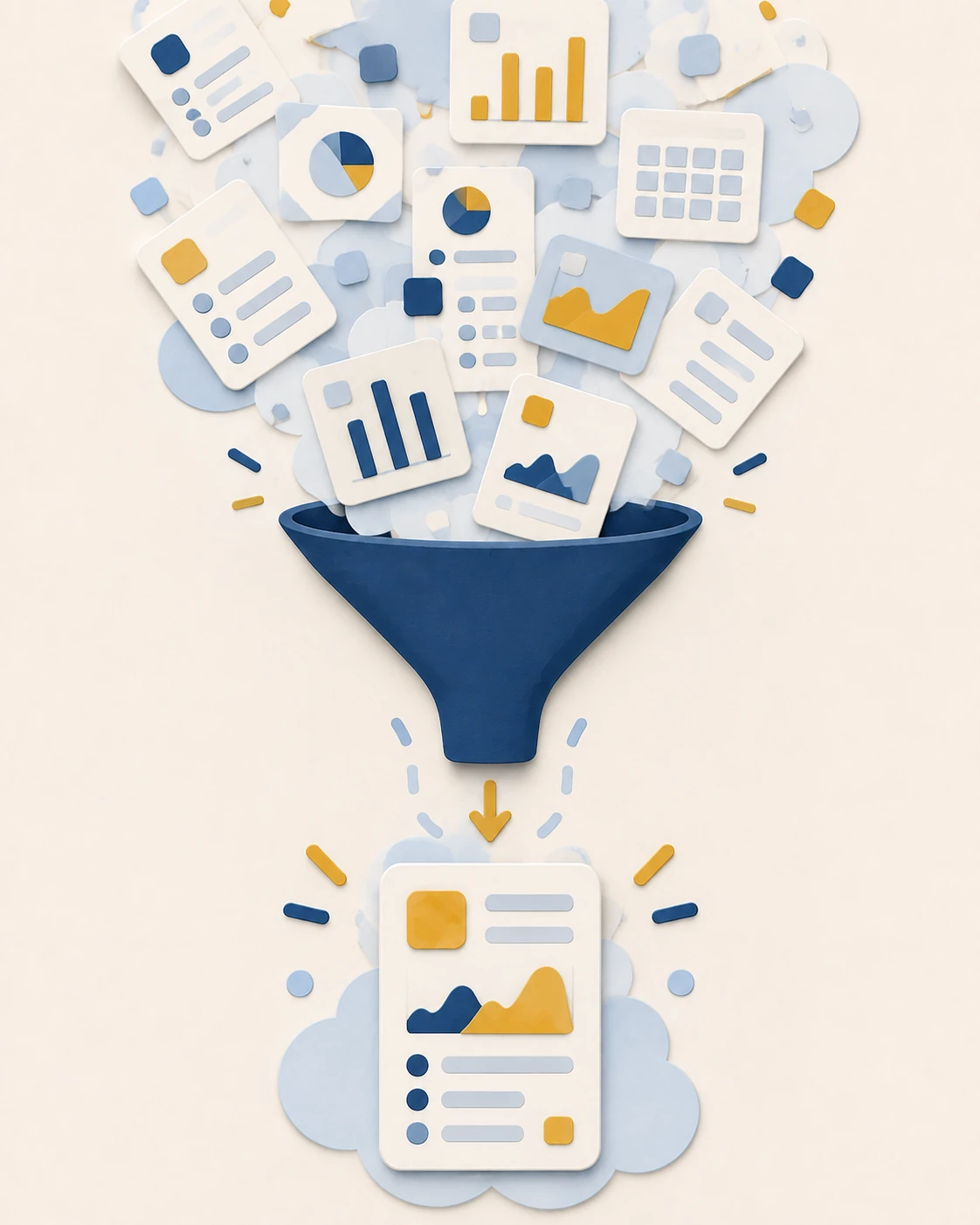
Reports are assembled by hand from scattered records.
We choose the right combination of interface, data, integration, automation, and advice for the work.
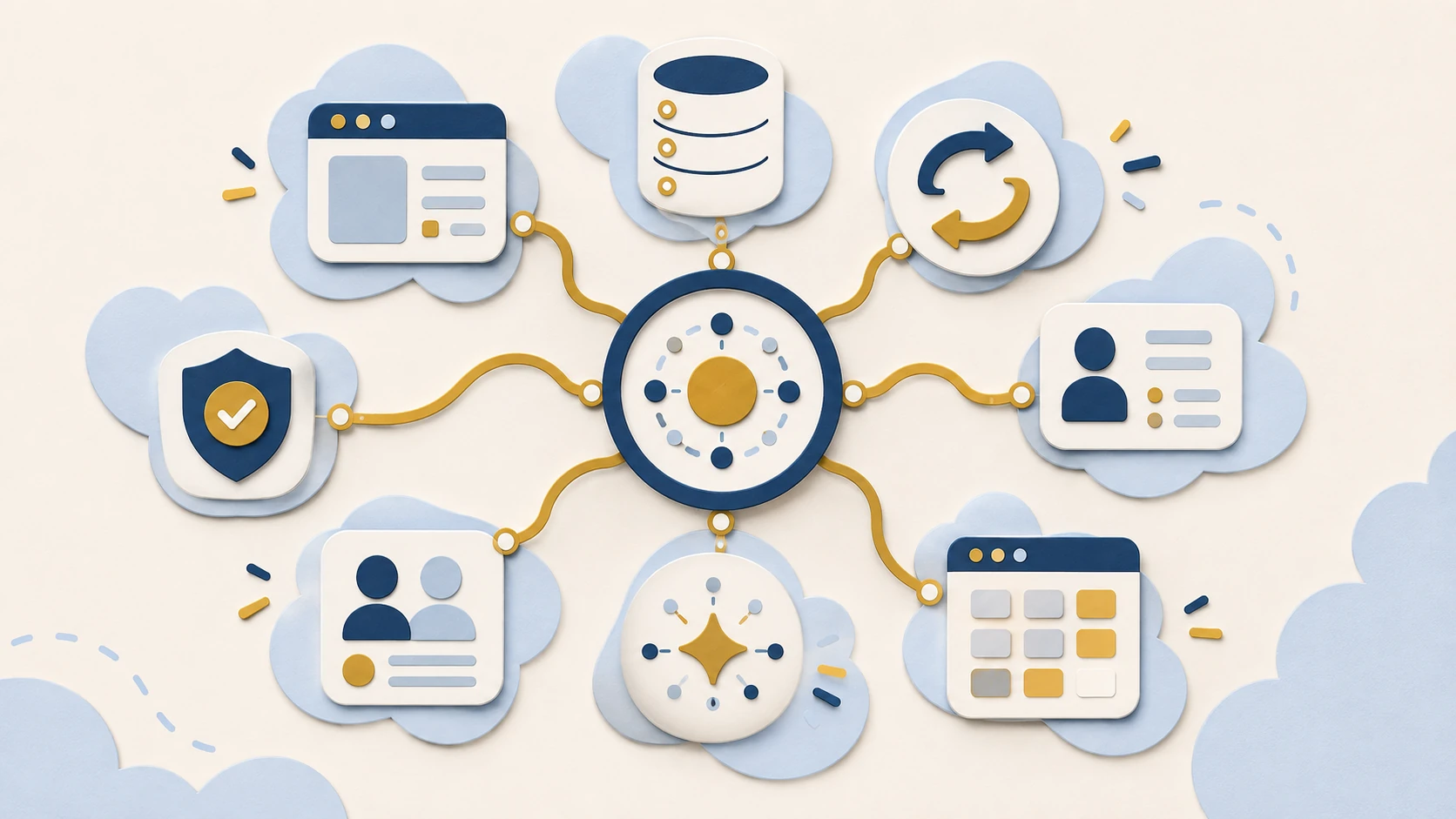
The process is specific, but the tool is generic.
Purpose-built applications that match your roles, rules, records, and handoffs.
A system that supports the work instead of forcing workarounds.
The process is specific, but the tool is generic.
Purpose-built applications that match your roles, rules, records, and handoffs.
A system that supports the work instead of forcing workarounds.
Interest comes in, but the next step is disconnected.
Fast, persuasive digital experiences connected to lead capture and follow-up.
A clearer path from first visit to qualified conversation.
People repeat predictable steps all day.
Triggers, assignments, reminders, and updates that happen consistently.
Less repetitive work and fewer tasks dependent on memory.
Important records live in too many places.
Connected customer and operating records with clearer pipelines and status.
Reliable information and stronger accountability across the team.
Reading, sorting, and drafting slow the process down.
Human-reviewed assistance for classification, extraction, drafting, and exception detection.
Faster routine work without removing the decisions that need people.
People operations depend on manual coordination.
Structured intake, document handling, status tracking, and workforce workflows.
A more consistent experience for candidates, employees, and operators.
Evidence, deadlines, and approvals are difficult to trace.
Controlled records, alerts, permissions, and audit-ready workflow histories.
Better visibility into obligations, decisions, and supporting evidence.
The operation needs to change, but the first move is unclear.
A practical roadmap that connects business constraints, systems, and priority outcomes.
A confident sequence for what to simplify, connect, automate, or rebuild.
The Power Mims method
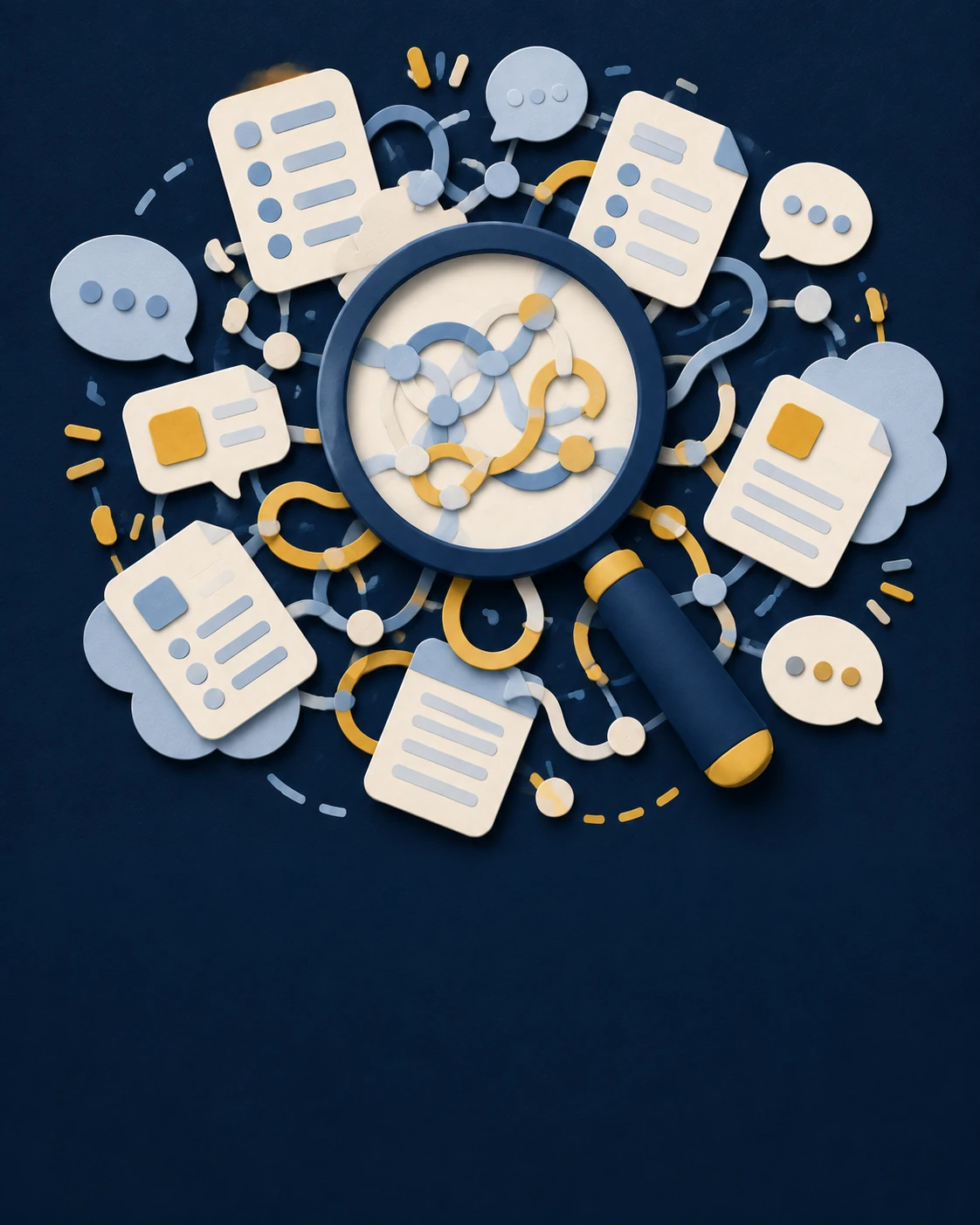
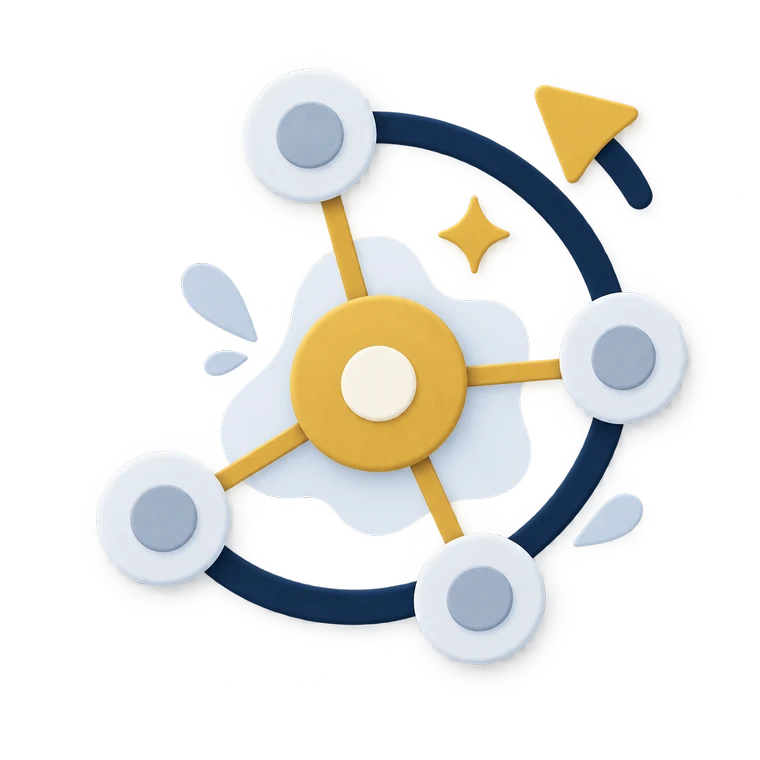
See how requests, records, and decisions really move today.
Workflow map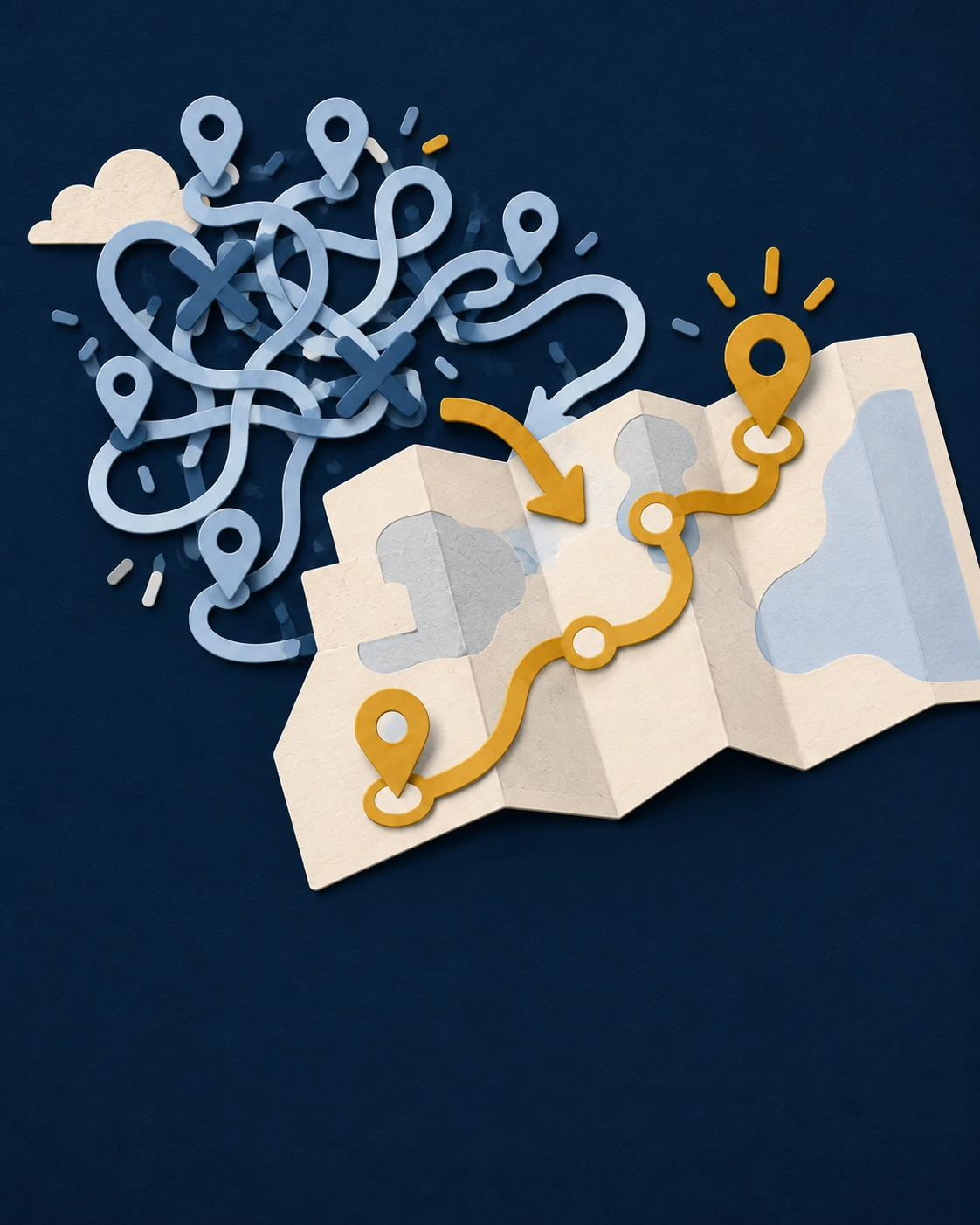
Find the manual steps, delays, duplicate work, and unclear ownership.
Priority route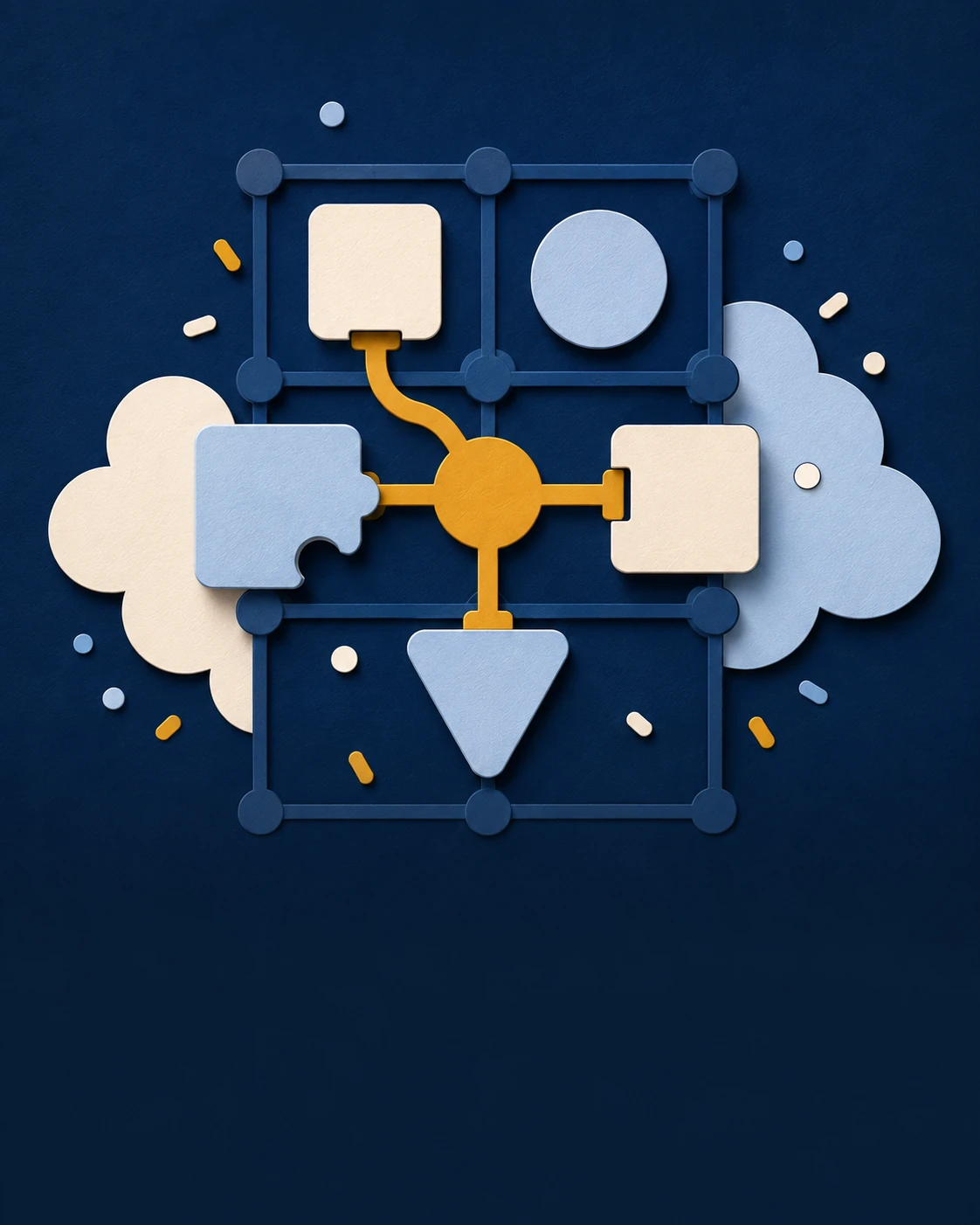
Design the right mix of interface, data, integration, and automation.
Working system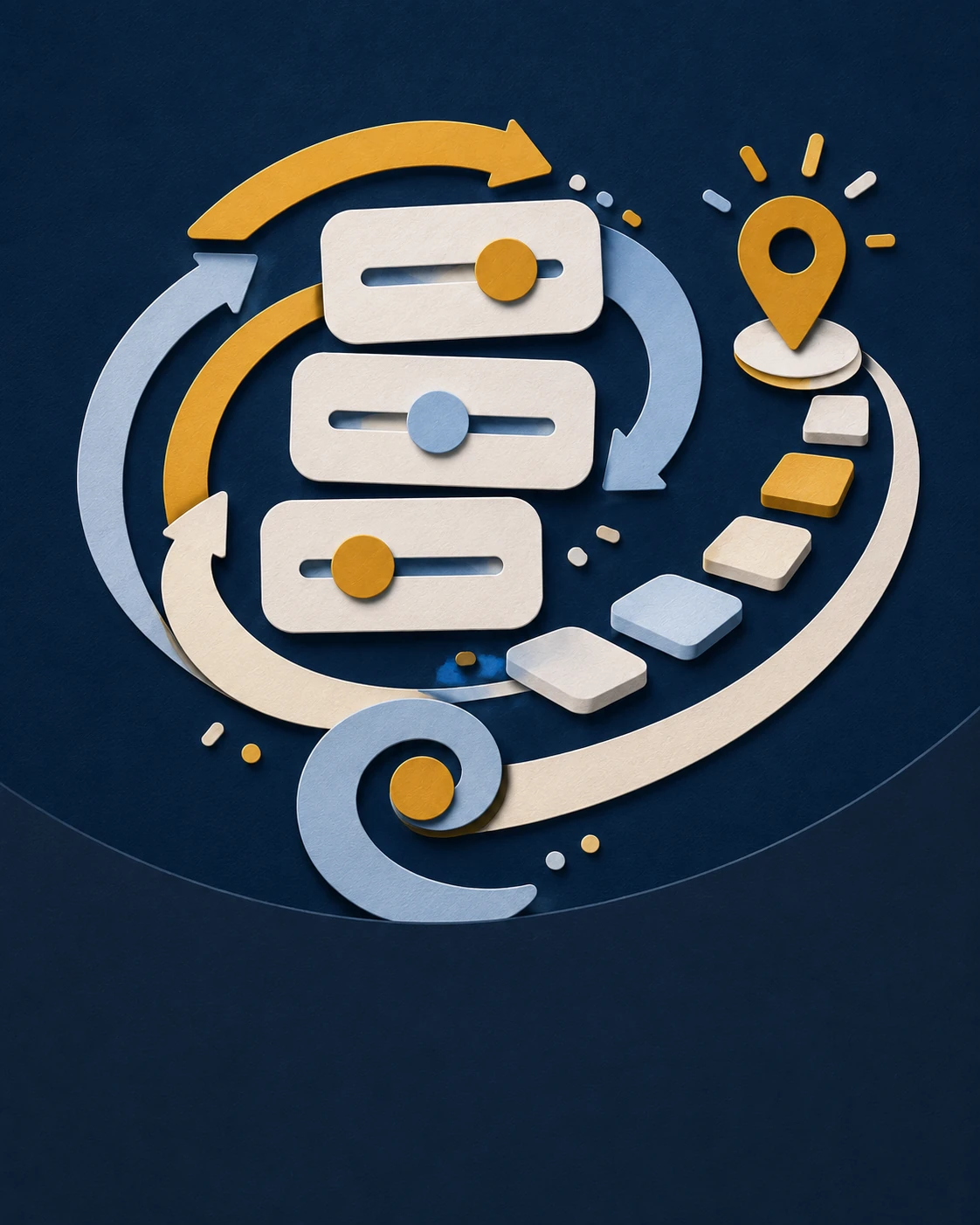
Measure what changes, support the team, and refine the next bottleneck.
Improvement planSee how requests, records, and decisions really move today.
Workflow mapFind the manual steps, delays, duplicate work, and unclear ownership.
Priority routeDesign the right mix of interface, data, integration, and automation.
Working systemMeasure what changes, support the team, and refine the next bottleneck.
Improvement plan People operations
 Client service
 Compliance work
 Growing operations
Practical answers
A system review begins with one important workflow and a clear conversation about fit.
Usually not. We first identify what already works, what should connect, and what genuinely needs to be replaced.
Yes. A focused workflow is often the clearest place to begin, prove value, and learn what the wider system needs.
No. We build customer-facing websites and landing pages as well as the software and automation behind the next step.
AI is useful for bounded tasks such as classification, extraction, drafting, and exception detection. Important decisions can stay with people.
We examine one important workflow, identify friction and risk, then recommend what to simplify, connect, automate, or rebuild.
Yes, when requirements and responsibilities are clear. Security, permissions, evidence, and review steps must be defined for the specific engagement.